
Kasper
CEO
·
Architects in Flanders 2023: Analysis of Time Allocation and Expectations regarding Software Usage
A look at the working methods and technological prospects of architectural firms in Flanders .
Last November, we conducted an in-depth survey among 70 architectural firms in Flanders to gain a better understanding of their work processes, challenges, and expectations regarding software usage. The findings of this survey provide us with valuable insights that help us improve our procurement software and better adapt it to the needs of architects.
Profile of Architectural Firms
Small and medium-sized firms dominate: The majority of participating firms have a limited number of employees, with 58% of firms having between 0 and 10 employees. This highlights the prevalence of small to medium-sized architectural firms in the region .
Extensive industry experience: A significant percentage (35%) of respondents have more than 15 years of experience in the architecture industry, indicating that many architectural firms in Flanders have a solid background.
Number of employees in the office.
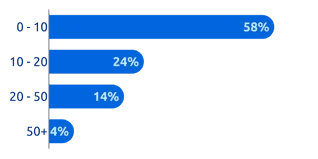
Average number of projects per year.
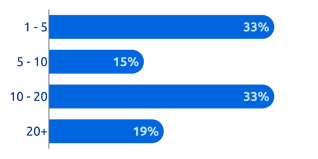
Main types of projects.
Administration Overshadows Design
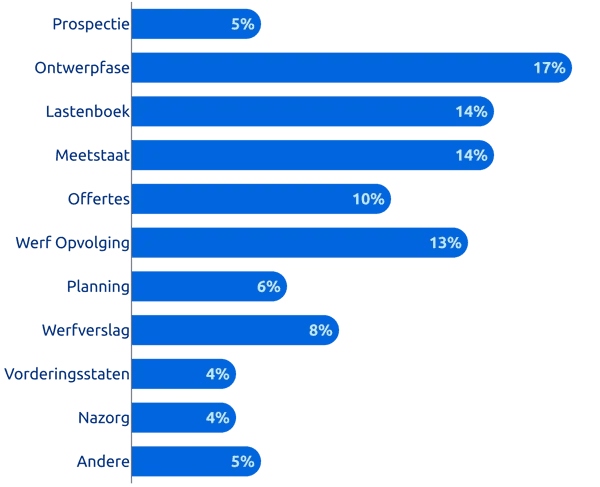
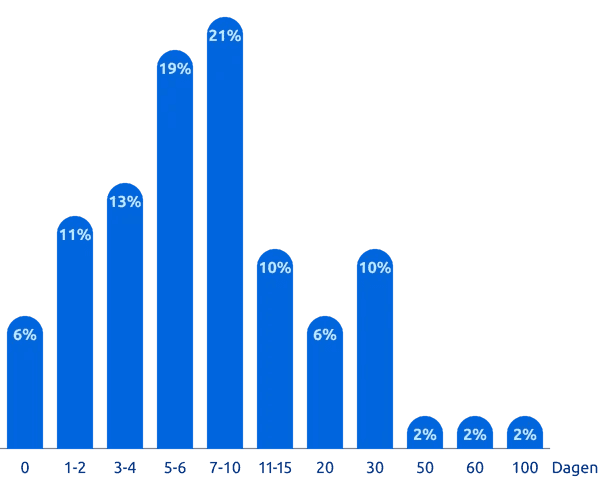
One of the most striking results concerned the time spent by architects. In addition to their design work, they spend considerable time drafting specifications and bills of quantities. Only 17% of architects indicate that design is the most significant time expenditure on a project. One-third of respondents spend the most time managing specifications and bills of quantities . 40% of architects indicate spending between 5 and 10 days per project on this. On average, 13 days per project are spent on creating specifications and bills of quantities.
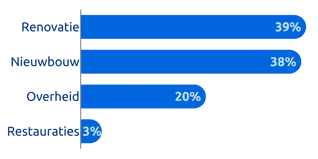
What do you spend most of your time on?
How many days do you spend on average per project preparing specifications and bills of quantities?
Pragmatism versus Innovation
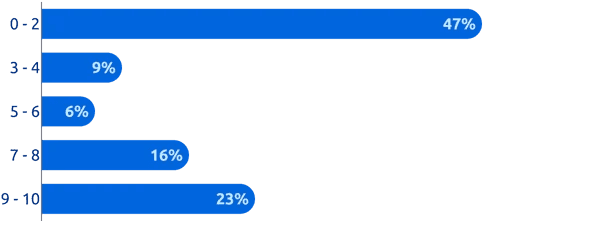
BIM lags behind architects for the time being: More than half of architects indicate that they do not yet actively work with digital building models (BIM).
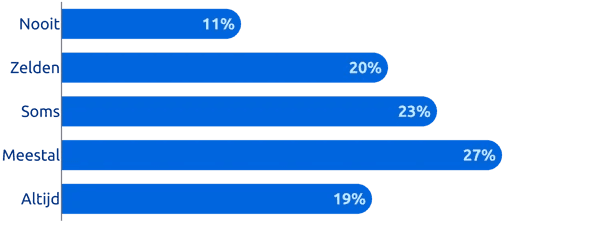
Descriptive Bill of Quantities over Specifications: A majority regularly uses a descriptive bill of quantities instead of specifications. In a descriptive bill of quantities, descriptions and installation instructions are concisely included in the bill of quantities, rather than being described in a separate set of specifications.
On a scale of 0 to 10, how actively are you involved with BIM?
How often do you create a specifications document for a project?
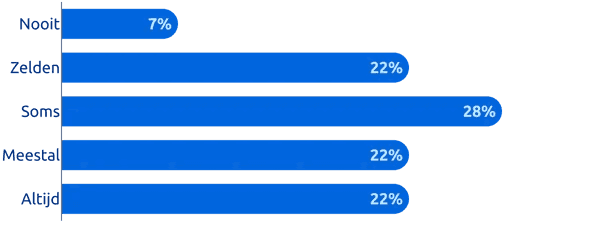
How often do you prepare a descriptive bill of quantities instead of a specifications document?
Importance of Specifications and Bills of Quantities in the Future
When we ask how architects view the future of specifications and bills of quantities, there is consensus that these are of great importance for the construction project and communication with contractors.
The most common answers to this question refer to automation and standardization .
We must evolve towards automatically generated descriptive statements of measurement.
Both architects who always prepare a descriptive bill of quantities and architects who always work with BIM indicate that the specifications and bill of quantities will continue to play an important role in the future.
Need for a Central Communication Platform for the Construction Team
Throughout the survey, we asked various qualitative questions to better understand the architects' vision of the future.
Architects look forward to automation and standardization . In addition, they emphasize the role of the construction team and the need for a central communication platform .
Ideally, boundaries between design team, contractor team, and maintenance team blur.
In an ideal world, all communication flows through a single platform. Not through five different ones, alongside the endless email chains.
Smooth synchronization, clearly indicated who changed what, as little repetitive work as possible, inexpensive software, must replace various applications simultaneously (contractor database + specifications + bills of quantities + site reports + ... )
User-friendliness and accessibility: By far the most important obstacle to trying out new software is time pressure (55%), followed by the investment or purchase price (26%). It is therefore not surprising that architects are only willing to invest one day (26%) or a few days (48%) to try out new software.
Conclusions
The specifications and bill of quantities take the most time. In addition to design work, architects spend the majority of their time preparing bills of quantities and specifications, averaging 13 days per project.
Standardization and automation are the future. Many acknowledge that specifications and bills of quantities will play a role in the future, but emphasize the need for standardization and automation.
Need for a communication tool for the construction team. Half of the architects consider it very important that project data can be centrally managed by the construction team.
In summary, the survey shows that there is a strong need for software that alleviates the administrative burden, improves communication and collaboration, and increases the efficiency of architectural firms through the automation and standardization of processes. The focus is on reducing time spent on administrative tasks and improving collaboration within the construction team through effective data management and communication tools.
The role of Calqi
As procurement software for construction teams, Calqi has a role to play in making the architects' vision a reality. The insights from this survey will help us further develop our software, with a focus on improving communication and promoting efficiency through standardization and automation where possible.
Calqi is a tool in full development. Our mission is to bring collaboration and ease of use to the construction team. In addition to these survey results, we rely primarily on user feedback. If you want to contribute to the construction team of the future, feel free to request a demo or try Calqi for free!
See Calqi in your work.